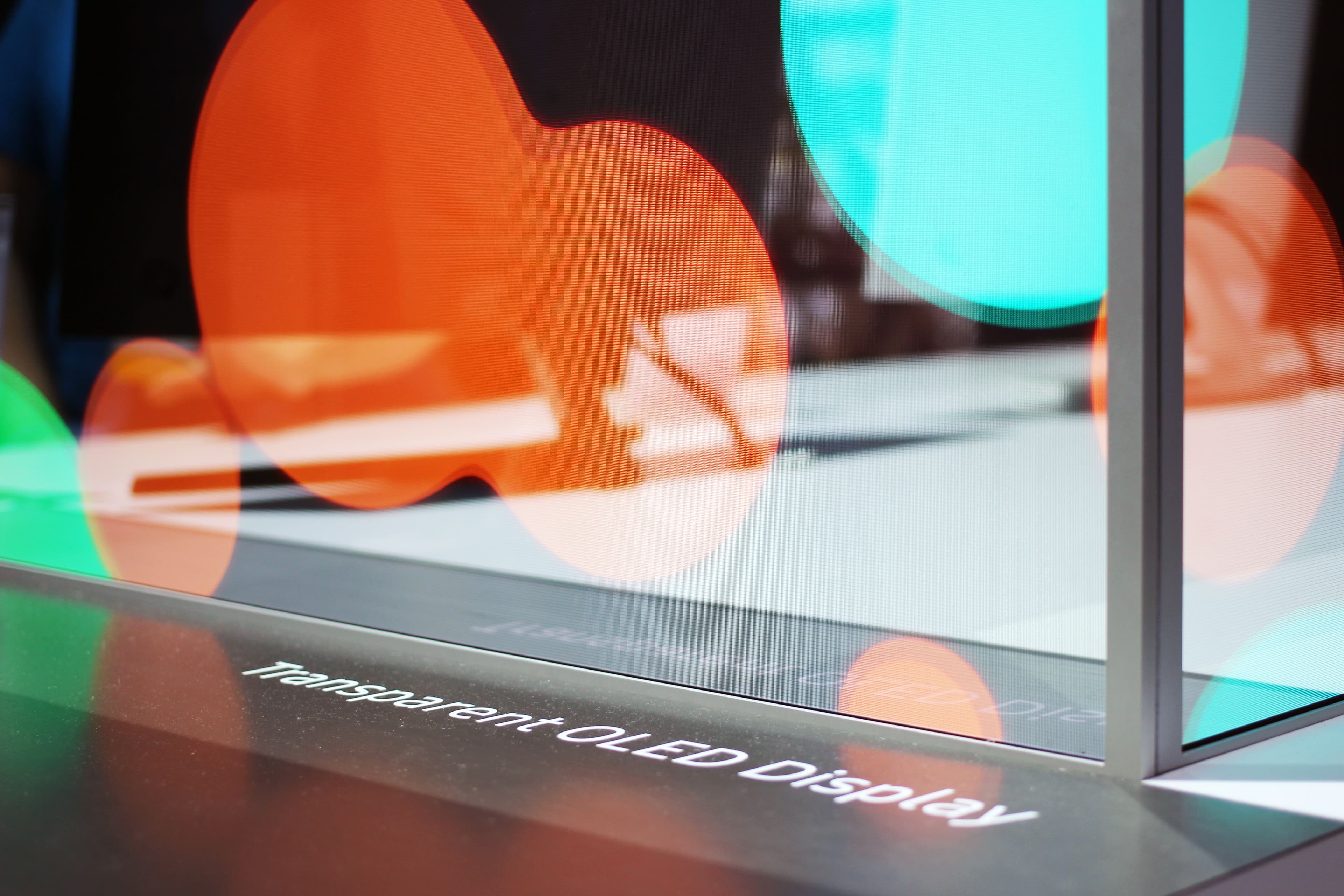
There’s a specific kind of magic that happens when you see a piece of glass suddenly spring to life with color and light. For years, transparent displays were the ultimate "Hollywood tech"—something Tony Stark would use to save the world, but something we’d never actually see in our living rooms.
Fast forward to 2026, and that "Hollywood tech" is officially a $8.11 billion industry. We are currently in the middle of a massive shift where screens are no longer obstacles; they are part of the scenery.
The Numbers: A Rocket Ship for Your Eyes
If you like a good success story, the transparent display market is it. Over the last five years, it has maintained a jaw-dropping growth rate of 46% annually. To put that in perspective:
- In 2021, it was a niche $1.3 billion curiosity for luxury brands.
- By 2024, it crossed the $4 billion mark as tech giants like LG and Samsung debuted transparent TVs for the home.
- Today, in 2026, it has nearly doubled again, becoming a staple in everything from high-end retail to the windows of your local metro.
The Two Sides of the Glass: OLED vs. LED
Not all transparent screens are created equal. Depending on where you are, you’re likely seeing one of two dominant technologies:
1. The "Luxury Standard": Transparent OLED (T-OLED) This is what you’ll see in the most recent consumer TVs and high-end boutiques. Because OLED pixels light themselves up, they don’t need a bulky backlight. This means when a pixel is "off," it’s literally just clear glass.
- The Wow Factor: Vibrant colors that look like they’re floating in mid-air.
- Where it’s going: LG is currently leading the charge here, moving beyond commercial signage into B2C products that look more like high-end furniture than electronics.
2. The "Architecture Hack": Transparent LED Film If you see a skyscraper that looks like a giant TV screen at night but is a normal glass building by day, you’re looking at LED film. It’s essentially a thin, adhesive-backed mesh that can be stuck onto any existing window.
- The Wow Factor: It turns entire buildings into digital canvases without blocking the view for the people working inside.
- Where it’s going: Retailers are obsessed with this. It allows them to run a digital ad on their front window while still letting passersby see the actual products inside.
The Real Driver: Your Car
While transparent TVs grab the headlines at CES, the real "quiet giant" of this market is the Automotive sector. In 2026, the demand for Head-Up Displays (HUDs) is exploding. We’re moving past basic "speed and navigation" projections. Modern windshields are becoming full AR interfaces, highlighting pedestrians in the dark or overlaying your GPS route directly onto the asphalt ahead. It’s not just cool—it’s a massive safety upgrade that is quickly moving from luxury cars to everyday models.
What’s Next: The Rise of MicroLED
If you thought current screens were clear, wait until you see Transparent MicroLED. Debuted as the "next big thing" at the recent CES 2026, these screens offer even higher brightness and better transparency (up to 60-70%). They are tough enough for outdoor use and bright enough to compete with direct sunlight, meaning the next "screen" you interact with might just be a bus stop window or a smart office partition.
The takeaway? We are rapidly approaching a world where the distinction between "digital" and "physical" is entirely up to you. Sometimes, the most impressive piece of technology is the one you can see right through.